The difference between a pergola and a patio cover is the roof. A pergola has an open lattice or slatted overhead structure that filters the sun without completely blocking it. A patio cover has a solid roof that blocks the sun entirely and keeps rain off. Both structures extend the usable time in your outdoor space. But they do it differently, and in Central Texas’s specific climate, the choice carries more consequence than in most other regions.
This post explains the practical differences, the situations in which each structure is the better choice, and the design factors that clarify the decision. Full construction details for both are covered on our pergola construction page and patio cover installation page.
What a Pergola Gives You
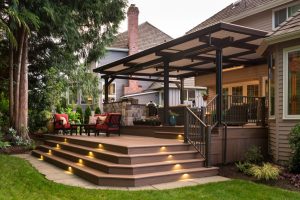
A pergola defines overhead space without enclosing it. The open lattice or slatted ceiling above the deck changes how the space feels without trapping heat or eliminating airflow. Under the right conditions, a pergola is more comfortable than a solid cover because the breeze can move through it freely.
In Central Texas, the right conditions for a pergola are spring, fall, and winter. Those three seasons represent the most pleasant outdoor weather in this region, and a pergola extends enjoyment through all of them by providing shade from the lower sun angles of those seasons and creating a defined outdoor room that invites use. In late March and early November, a pergola works beautifully.
In July and August in Austin or Cedar Park, a pergola is less useful than it looks on a design rendering. The sun angle in summer means a pergola provides significant midday shade but limited protection from the late-afternoon sun that drives in from the west and southwest at the hottest part of the day. A Central Texas deck that’s intended for summer afternoon use needs more overhead protection than a pergola’s open lattice provides.
The advantage a pergola holds over a solid cover is the sense of outdoor connection it maintains. The sky is visible. Light comes through. The space feels more like the outdoors than covered. For many homeowners, especially those with mature trees and natural landscapes, that quality matters more than maximum sun protection. On Austin shade projects in neighborhoods with large oak canopies, the pergola often pairs with the existing natural shade to create excellent conditions without a solid roof.
For Lakeway shade-and-view builds, where the Lake Travis sightline is one of the main reasons homeowners bought their property, a pergola is often the right answer because it provides overhead definition without blocking the horizontal view that a solid cover might interrupt.
Our pergola construction page covers the types, materials, and placement considerations specific to Central Texas.
What a Patio Cover Gives You
A patio cover gives you solid overhead protection that blocks the sun completely and keeps rain off. The space beneath it is usable regardless of weather: in July afternoon heat, in spring thunderstorms, in cool December evenings when a solid overhead retains more warmth than an open structure.
In Central Texas’s climate, a solid patio cover changes the equation for summer use more than any other single modification to an outdoor space. The afternoons in July and August that make an uncovered or pergola-covered deck uncomfortable are the same afternoons that a properly placed, properly insulated solid cover makes genuinely pleasant. Under an insulated aluminum cover at four in the afternoon in August, the radiant heat is blocked, and the space is usable. Under a pergola, the afternoon sun is only partially filtered, and the experience is less comfortable.
Rain protection extends the outdoor season in a different direction. Central Texas spring thunderstorms can shut down an outdoor gathering on an uncovered or pergola-covered space in minutes. A solid patio cover keeps the deck surface dry and the furniture usable through a spring rain. For homeowners who entertain regularly and want the outdoor space to function like an outdoor room, rain protection is a meaningful part of the calculus.
The tradeoff is the enclosed quality a solid cover creates. Under a solid aluminum or wood patio cover, you’re in a covered outdoor space rather than an open outdoor space. The connection to the sky is gone. For some homeowners, this is exactly what they want. For others, it’s what they specifically want to avoid.
Our patio cover installation page covers the types of solid cover systems, the insulated vs non-insulated distinction, and the design factors specific to Central Texas.
The Louvered Hybrid
Louvered pergola and cover systems with adjustable panels offer the benefits of both in a single structure. The panels open for winter sun, spring breezes, and the natural outdoor feel. They close for summer shade and rain protection. In Central Texas, where the seasonal range makes both open and covered modes useful at different times of year, a louvered system is worth considering for homeowners who use their outdoor space year-round.
The honest tradeoffs: louvered systems cost significantly more than fixed pergolas or fixed solid covers. The mechanical system requires maintenance that fixed structures don’t. And they introduce a decision point every time conditions change. For homeowners who want maximum flexibility and are willing to pay for it, a louvered system is an excellent answer. For homeowners who primarily use the outdoor space in one seasonal mode, a fixed structure optimized for that mode is usually a better investment.
HOA Considerations for Each Structure
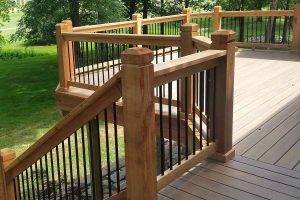
HOA design guidelines in our active markets treat pergolas and patio covers as distinct structure types with their own approval requirements.
Pergolas in most HOA communities are subject to height limits, setback requirements, and sometimes material restrictions. The open nature of a pergola is generally viewed more favorably by HOA design committees than a solid cover because it has less visual mass. Cedar Park shade structure builds in Avery Ranch, for example, move through the HOA approval process more smoothly with pergola designs than with solid cover designs in many cases.
Patio covers with solid roofs, particularly insulated aluminum panel systems, need to meet appearance requirements that some communities specify precisely. Color, panel profile, fascia depth, and maximum covered square footage are the most common specification points. We design to HOA specifications for both structure types and handle all submittal documentation as part of our design process.
Which to Choose for Central Texas
The most useful framework for making this decision is to be honest about when you actually use your outdoor space. If your outdoor use is concentrated in spring and fall, a pergola is almost certainly sufficient,t and it maintains the outdoor character that most homeowners in natural-aesthetic neighborhoods prefer. If you want the outdoor space to function through summer afternoons and spring rain, a solid cover is the more functional investment. If you want maximum flexibility across all four seasons, a louvered system is worth the cost.
For full outdoor living space design projects where the deck, shade structure, and features are being planned together, we recommend designing the shade element as part of the whole conversation so the structure’s placement, orientation, and type are decided in the context of how the complete space will function rather than as a separate decision added to an existing footprint.
Deck design for shade is part of every design consultation we do. When we walk your yard, we assess the sun angles for your specific orientation and tell you what each structure type would deliver in your specific outdoor space. Schedule a shade structure estimate, and we’ll come out, walk the yard, and give you an honest assessment of which type of structure best fits what you actually want to do in the space.