
Choosing the right wood for a Central Texas deck is one of the key decisions in your wood species selection, and it isn’t the same call it would be in Seattle or Denver. The UV load here is significantly higher than in most of the country. The humidity cycling between wet springs and summer drought puts stress on wood grain in both directions. The expansive clay soil that runs through most of Williamson County and much of Travis County affects how foundation movement stresses the framing above it. The wood species you choose interacts with all of these factors. This post covers what each of the main wood options brings to a Central Texas deck and where each one makes the most sense.
Pressure-Treated Pine
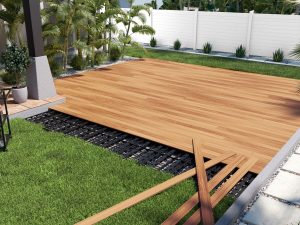
Pressure-treated pine is the most widely installed decking material in Central Texas and across the country. It’s a southern yellow pine that has been infused with copper-based preservatives under pressure to resist rot, insects, and moisture. The treatment is effective. When installed correctly and properly maintained, pressure-treated pine performs well in Central Texas conditions. It provides a solid, long-lasting deck surface at a lower upfront material cost than cedar, redwood, or composite decking.
The maintenance requirement is real, and it’s the most important thing to understand about pressure-treated pine before choosing it. In Central Texas, UV conditions and humidity cycling, untreated or neglected pine surfaces check, splinter, and gray faster than they would in a moderate climate. A staining and sealing schedule of every two to three years is the minimum to keep pine performing well here. South-facing decks in full afternoon sun may need attention every eighteen to twenty-four months.
Another characteristic worth understanding is that fresh pressure-treated pine often has a high moisture content at the time of installation. The treatment process adds moisture to the wood, and that moisture needs to evacuate as the boards dry and acclimate. Boards installed before they’re sufficiently dry can cup, gap, or check as they lose that moisture in the first season. We assess moisture content before installation and adjust for it in our gap spacing.
For homeowners in established neighborhoods who want a natural wood look, pressure-treated pine is a solid foundation material and a reasonable choice for deck surfaces when the maintenance commitment is real. For homeowners who want to minimize ongoing maintenance, it’s an honest conversation about what the cedar or composite alternative actually costs over time compared to the annual or biennial staining that pine requires.
Cedar
Western red cedar is the wood deck material we install most often for homeowners who specifically want natural wood with lower chemical content and better inherent weather resistance than pressure-treated pine. Cedar’s natural oils resist moisture and insects without chemical treatment, which makes it a genuinely different material from a treated pine deck rather than just a more expensive version of the same thing.
In Central Texas conditions, cedar performs well. It holds a semi-transparent stain better than pressure-treated pine and maintains color through more UV cycles before showing gray weathering, indicating the surface seal has failed. The maintenance interval is similar to pine, but the tolerance for deferred maintenance is slightly better. Cedar that goes a season or two past its staining schedule weathers more gracefully than pine under the same conditions.
The grain and appearance of cedar are specifically what many Austin deck builders in Hyde Park, Bouldin Creek, Tarrytown, and established neighborhoods in Cedar Park and Georgetown are looking for. A cedar deck on a 1950s bungalow or a craftsman-style home fits the character of the property in a way that composite often doesn’t. That’s true across Cedar Park deck installations in established neighborhoods and in Austin. The natural warmth and aging character of real cedar wood are something no manufactured product has fully replicated.
Cedar requires the same deck-staining service schedule as pine under Central Texas conditions. The difference is in how it responds when that schedule is maintained well. A cedar deck that’s been cared for properly looks better longer than the equivalent pine deck.
Redwood
Redwood is the premium natural wood option for Central Texas decks when it’s available. The heartwood has higher tannin content than cedar, which gives it better inherent insect resistance and a richer initial color. Redwood performs very well in moisture and UV exposure when properly sealed and maintains its appearance longer than comparable cedar.
The practical constraint on redwood in the Central Texas market is availability. It’s less consistently available than cedar and carries a higher material cost. For homeowners who specifically want redwood’s color profile and performance characteristics and are willing to plan around availability and budget for the premium, it’s a high-quality product that holds up well in this climate.
Composite as the Low-Maintenance Alternative
Composite decking brands like Trex, TimberTech, and Fiberon aren’t wood species but they belong in any Central Texas wood comparison because it’s the material most homeowners are choosing when they want the deck to hold its appearance without an annual or biennial maintenance commitment. The Central Texas climate makes the case for composite better than many other markets do. High UV and humidity cycling accelerate wear on unprotected wood here faster than in moderate climates, and composite’s resistance to both addresses the two biggest maintenance drivers simultaneously.
For HOA communities, composite also simplifies the appearance consistency problem that wood creates. A cedar deck that varies in stain color from house to house as neighbors get to maintenance at different times is harder to manage than a composite deck whose color is consistent regardless of schedule.
The honest case against composite is that it doesn’t look or feel like real wood. The technology has improved substantially but there is a difference in person, and for some homeowners and some properties, that difference matters more than the maintenance savings.
Which Wood Is Right for Your Central Texas Deck
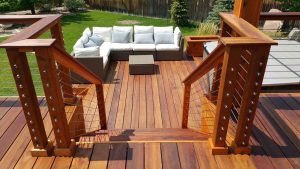
The honest answer depends on three things: how much upkeep you actually want to do, what your HOA allows or requires, and how you want the finished deck to look relative to your house and landscape.
If low maintenance is the priority, composite is the right answer for most Central Texas homeowners. If the natural wood character is specifically the priority and you’ll commit to a maintenance schedule, cedar is the most reliable performer in this climate. If budget is the primary constraint, pressure-treated pine with a real commitment to staining on schedule makes for a solid, long-lasting deck.
We bring material samples to every consultation through our custom deck design service process and walk through the performance tradeoffs for your specific yard, sun exposure, and HOA context.
Georgetown deck installations and other Williamson County projects often require wood choices that work with specific HOA design standards. The species conversation is one of the most important decisions in the project.
Request a free consultation, and we’ll walk through it at your property with samples in hand.