Most deck problems we see start small and get expensive because they went unnoticed for a season or two. A consistent annual maintenance routine catches the small things while they’re still small, and it’s the single best thing a homeowner can do to extend a deck’s life in Central Texas conditions. This checklist covers what to look at, when to look, and what each finding actually means, and it’s the same routine our team follows during every professional deck inspection we perform.
Spring: The Post-Winter Assessment
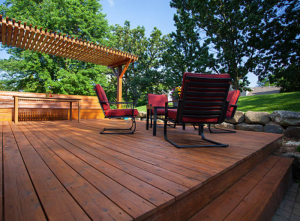
Spring is the right time for a thorough walkthrough, since it’s after winter’s moisture and before summer’s heat puts the deck back into heavy use.
Check every board for soft spots, cracking, or splintering by walking the full surface and paying attention to any area where the deck feels different underfoot. Soft or spongy spots indicate moisture damage that needs a closer look, ideally from a professional if the affected area is more than a board or two.
Inspect all railings by applying firm lateral pressure at several points along each section. Any movement, even slight, signals a connection issue that needs attention before the deck sees regular use through the spring and summer entertaining season.
Look underneath the deck if access allows. Check the ledger board connection to the house for any signs of moisture staining or separation, and look at the footings for cracking or visible movement, particularly important in Central Texas given our expansive clay soil conditions.
Clear winter debris from between boards and from any gaps where leaves and organic material have accumulated, since trapped debris holds moisture against the wood or framing longer than necessary.
The Water Bead Test for Wood Decks
This simple test tells you more about a wood deck’s protective finish than almost anything else. Pour a small amount of water onto the deck surface in several spots. If the water beads up and sits on the surface, the finish is still protecting the wood. If the water soaks in within a minute or two, the protective seal has worn through, and the deck needs deck staining and sealing service before the surface starts absorbing moisture directly.
Run this test in both sun-exposed and shaded areas of the deck, since they often wear at different rates. South and west-facing sections typically need attention sooner than shaded or north-facing areas.
Summer: Heat Season Monitoring
Central Texas summer heat is hard on every deck material, and a quick mid-summer check is worth the few minutes it takes.
For wood decks, watch for new cracking or checking on boards that get the most direct afternoon sun, as UV exposure is most damaging then. If you notice accelerated wear in specific areas, those sections may need attention sooner than the rest of the deck.
For composite decks, care guidance generally calls for less frequent intervention. However, it’s still worth checking that boards haven’t shifted or buckled, particularly near areas where drainage may be inadequate.
Check fastener heads throughout the deck for any signs of rust staining or looseness, since summer heat and humidity cycling accelerate hardware corrosion faster in this climate than in milder regions.
Fall: Pre-Winter Preparation
Fall is the best time for staining or sealing work, since Central Texas temperatures and humidity are typically within the ideal range for proper product application and curing.
If your spring water bead test showed signs of wear, fall is the time to schedule the staining work before winter moisture has a chance to set in on unprotected wood. Don’t wait until spring; if the deck needs it now.
Clear all gutters and drainage paths near the deck to ensure water flows away from the structure rather than pooling against footings or framing during winter rains.
Inspect and tighten any loose hardware you’ve noticed throughout the year, since fall’s milder weather makes this kind of maintenance work more comfortable to tackle.
Winter: Light Monitoring
Central Texas winters are mild enough that decks stay in use, but winter is still worth a periodic check, particularly after any significant rain events.
Watch for standing water anywhere on the deck surface after rain, since pooling indicates a drainage problem that will accelerate deterioration if left unaddressed. Composite and wood decks should both shed water efficiently; standing water points to a leveling or drainage issue worth investigating.
If your area gets an occasional hard freeze, check for any ice-related movement at railing connections or stair treads afterward, since freeze-thaw cycles can stress connections even in a climate where freezing is infrequent.
When to Call a Professional
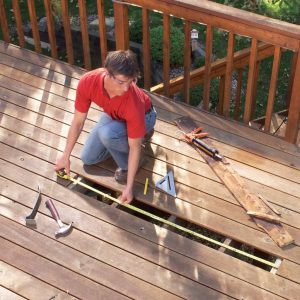
Most of this checklist is a straightforward homeowner-level inspection. Certain findings warrant bringing in a professional rather than addressing it yourself.
Any soft or spongy framing, not just surface boards, needs professional assessment, since it often indicates structural moisture damage that requires more than surface-level repair. Any railing movement beyond minor looseness should be evaluated before the deck is put to regular use, given the safety implications. Visible footing movement or cracking, particularly relevant in our clay soil conditions, warrants a full deck replacement evaluation or structural assessment to determine the right path forward.
Schedule a maintenance visit if your annual check turns up anything on this list that gives you pause, or if it’s simply been a few years since a professional has assessed the deck’s overall condition. Catching problems early is almost always less expensive than addressing them after they’ve progressed.
Building Maintenance Into Your Annual Routine
The homeowners who get the longest life out of their decks treat this checklist as a routine rather than a one-time task. A spring walkthrough, a summer spot-check, fall prep work, and occasional winter monitoring take a few hours spread across the year and catch the vast majority of issues before they become expensive. Our railing maintenance and repair team, along with our broader maintenance services, is available whenever something on this list needs more than a homeowner-level fix.