When investing in a wood deck for your Texas home, one of the most important considerations is how long it will last. The wood deck lifespan in Texas varies significantly based on material choice, maintenance, and climate factors. If your current structure shows signs of wear or damage, it may be time to consider a deck replacement to ensure safety and enhance your outdoor space. This guide will help you understand what to expect from your deck and how to maximize its longevity.
| Deck Material | Average Lifespan | With Proper Maintenance |
|---|---|---|
| Pressure-Treated Pine | 10–15 years | 15–20 years |
| Cedar | 15–20 years | 20–25 years |
| Redwood | 20–25 years | 25–30 years |
| Tropical Hardwood (Ipe) | 25–40+ years | 40–50+ years |
Texas presents unique challenges for wood decks:
Intense UV exposure (fades and dries out wood)
High humidity (promotes mold, mildew, and rot)
Temperature swings (causes wood to expand and contract)
Termites & pests (common in many Texas regions)
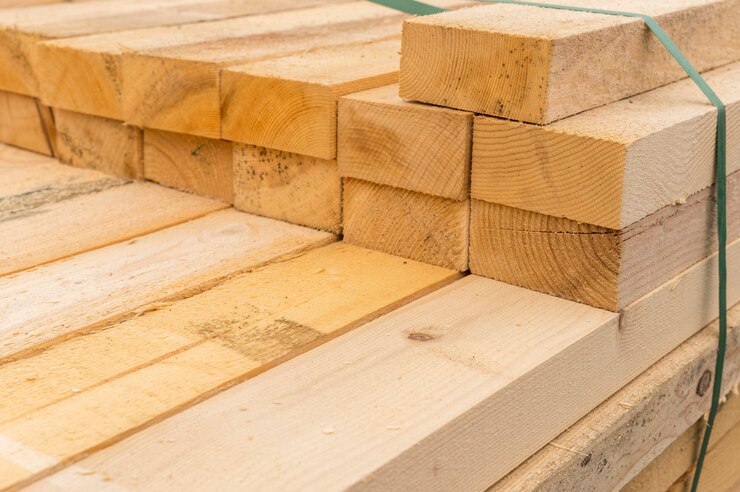
Pressure-Treated Pine
Most affordable but requires frequent sealing
Prone to warping and cracking in Texas heat
Cedar & Redwood
Naturally resistant to rot and insects
More stable than pine but still needs maintenance
Tropical Hardwoods (Ipe, Cumaru, Tigerwood)
Extremely dense and durable
Naturally resistant to moisture and pests
A neglected deck can lose 5–10 years of lifespan. Essential maintenance includes:
Annual cleaning (power washing + mildew removal)
Staining/sealing every 2–3 years (more often for pine)
Inspecting for rot, loose boards, and rusted fasteners
Keeping debris off the deck (prevents moisture retention)
Proper ventilation under the deck prevents moisture buildup
Correct spacing between boards allows for expansion
Stainless steel or coated screws resist rust
Flashing where the deck meets the house prevents water damage
Poor installation can cut a deck’s lifespan in half.
Decks in full sun deteriorate faster (UV damage)
Covered decks (under a pergola or roof) last longer
Elevated decks (better airflow) resist rot better than ground-level ones
Even with great care, all wood decks eventually wear out. Watch for:
✔ Soft or spongy boards (indicates rot)
✔ Large cracks or splintering
✔ Loose or wobbly railings
✔ Extensive warping or cupping
✔ Persistent mold/mildew growth
✔ Rusted or failing fasteners
If your deck shows multiple issues, consider deck replacement before it becomes a safety hazard.
For low maintenance, consider tropical hardwoods or high-quality cedar
For budget-friendly options, use ground-contact rated pressure-treated wood
Oil-based stains penetrate deeper than water-based
UV-resistant sealants prevent sun damage
Avoid paint (traps moisture, peels over time)
Ensure proper slope (1/4″ per foot away from the house)
Keep gutters and downspouts clear
Use breathable deck skirting (if enclosed)
Spring: Check for winter damage
Summer: Look for drying/cracking
Fall: Clear leaves and debris
Winter: Ensure snow/ice isn’t pooling
Only a few boards are damaged
The frame and footings are still solid
Issues are cosmetic (staining, minor splintering)
Structural supports are rotting
More than 30% of the decking is damaged
The deck is older than its expected lifespan
You want to upgrade to composite or a better wood
For professional advice, consult Deck builders Texas for an inspection.
While this guide focuses on wood decks, composite decking (Trex, Azek) is worth considering because:
Lifespan: 25–50+ years (vs. 15–40 for wood)
Maintenance: No staining or sealing needed
Weather Resistance: Better against UV and moisture
However, wood offers:
Warmer, natural look
Lower upfront cost
Cooler surface in hot weather
A well-built and maintained wood deck in Texas can last 15–50 years, depending on the material and care. Key takeaways:
Tropical hardwoods last longest but cost more upfront
Pressure-treated pine is affordable but high-maintenance
Annual upkeep adds years to your deck’s life
Professional installation prevents early failure
Need Help with Your Deck?
Whether you’re building new or replacing an old deck, Deck builders Texas can ensure your project lasts for decades.